
Why a Name Can Cost Millions: Unpacking ‘The Onion Mistake’ and the Crisis of Trust in Nigerian Agriculture
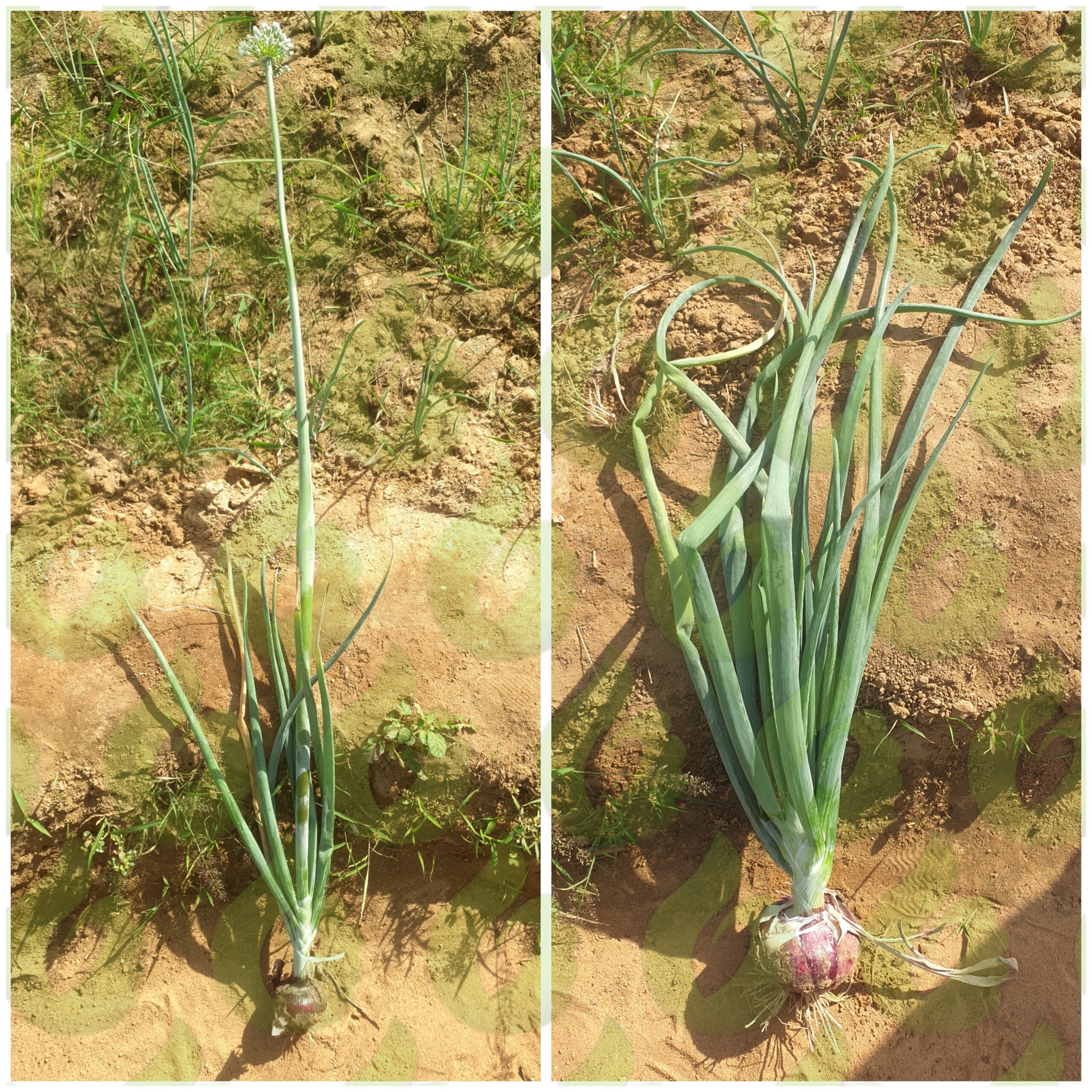
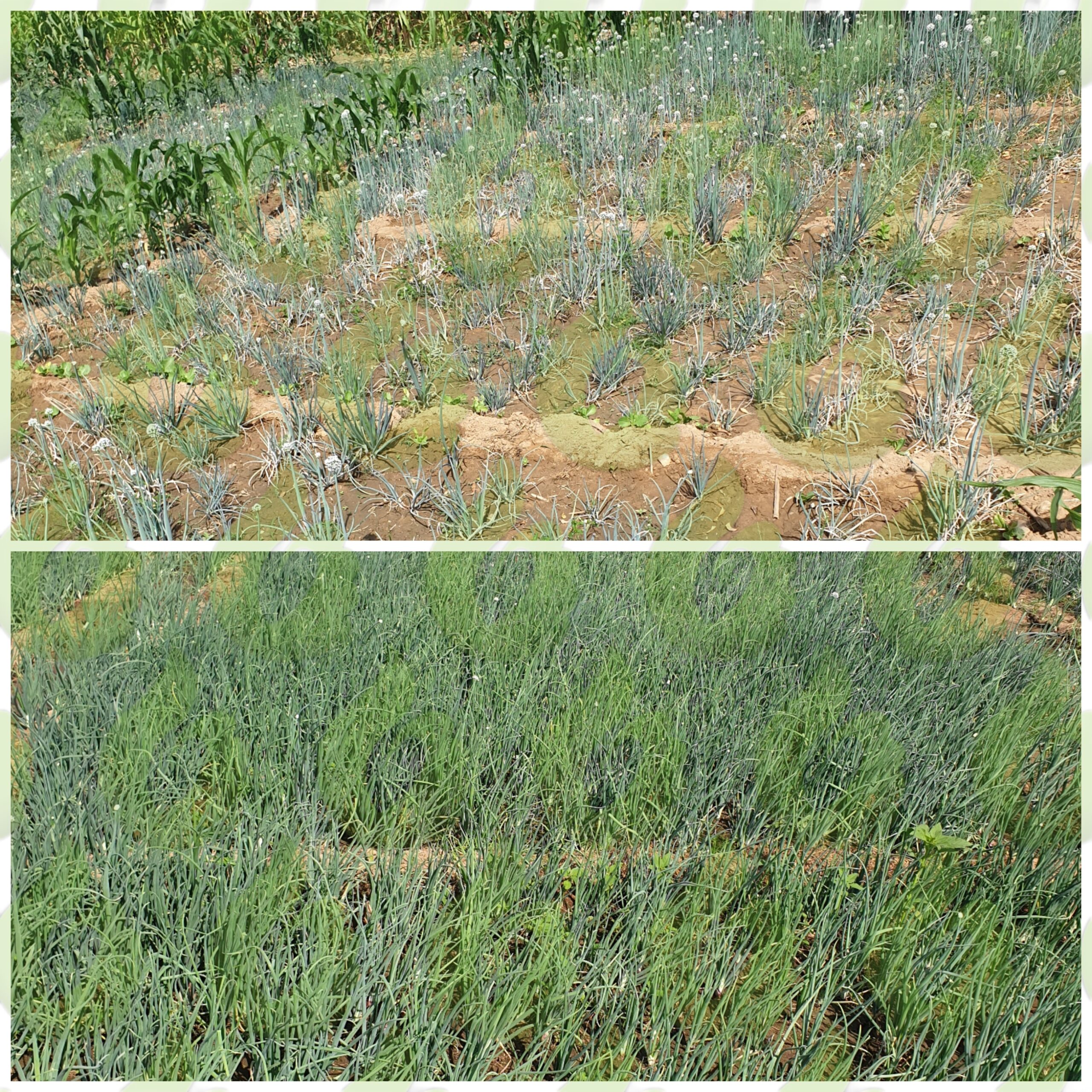
In the sun-drenched markets of Kaltungo LGA, Gombe State, a farmer hands over his hard-earned Naira for a tin of seeds labeled “Chinese Onion.” He isn’t looking for a bargain; he’s looking for a future. But when the harvest fails to materialize, the culprit isn’t drought or lack of effort—it’s the name on the label. The “Chinese Onion” wasn’t a variety; it was a vague marketing placeholder for a seed mismatched for the soil’s pH and the region’s heat.
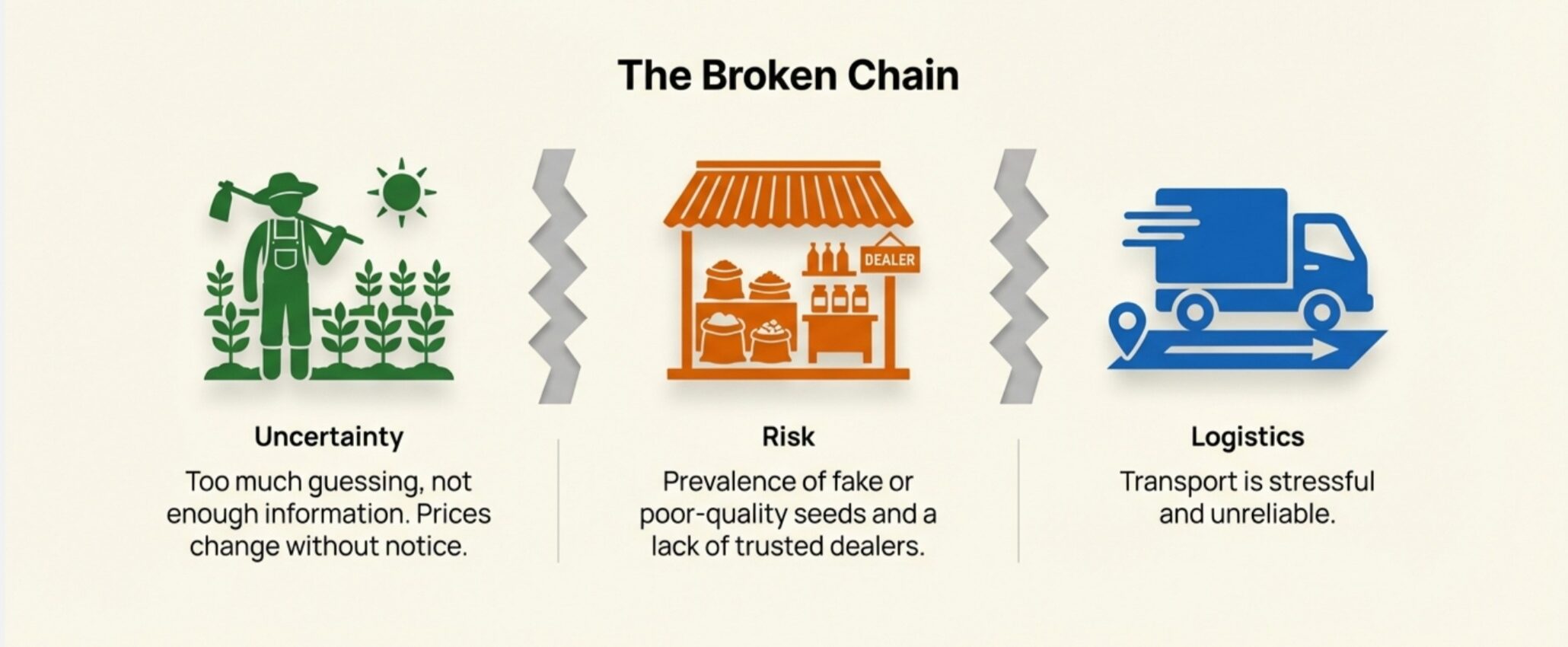
This is “The Onion Mistake,” a visceral symptom of a systemic rot. In Nigerian agriculture, the crisis isn’t a lack of access to inputs; seeds and fertilizers are everywhere. The crisis is a lack of documentation. This single label error is a catalyst for understanding how a billion-dollar industry is being strangled by the high price of a name that means nothing.
♦
The Core Failure: It’s Not Access, It’s Information Asymmetry
Most post-mortems of agricultural failure in Africa point toward “lack of access” as the primary villain. Systems thinkers, however, see a different culprit: Information Asymmetry.
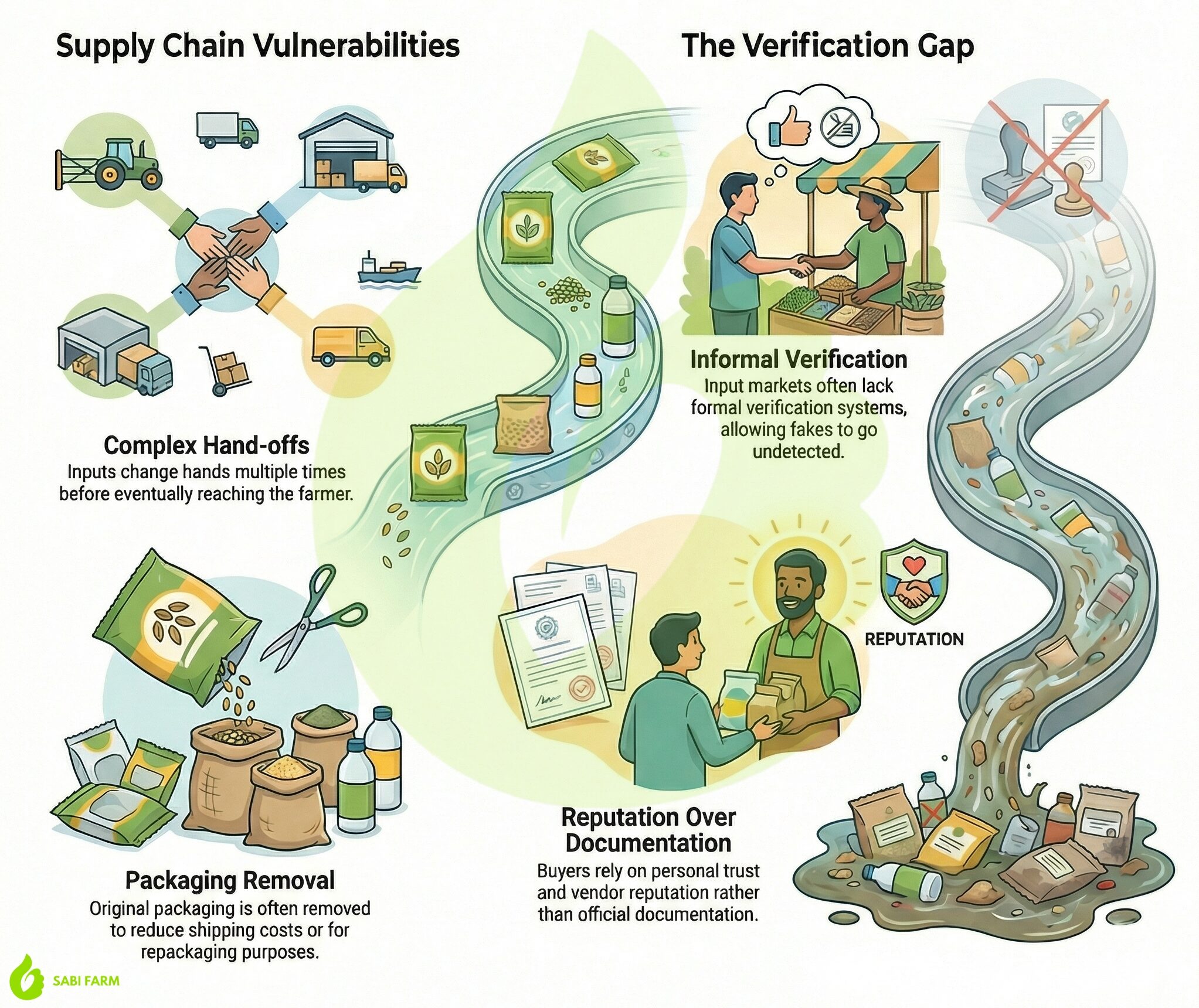
As detailed in the Sabi Farm framework, the agricultural marketplace operates as a “black box.” Inputs are sold without packaging, source information, or verifiable provenance. This creates a market where the seller knows exactly what is in the bag, but the buyer—the smallholder farmer—is effectively blindfolded. This asymmetry ensures that all financial, legal, and yield risks are pushed downstream. When the “Chinese Onion” fails, the supplier has already moved on, while the farmer is left with an empty field and mounting debt. The problem isn’t that the seeds weren’t available; it’s that their history was intentionally obscured.
The 70% Trap: The Reality of Undeclared Substitutions
The most devastating mechanism of this “black box” is what we call the 70% Trap. Field evidence from pilot observations across Northern Nigeria reveals a startling statistic: 70% of mismatched inputs are traced directly to undeclared substitutions.
This isn’t happening in a vacuum. There is a specific market practice at play: the systematic removal of packaging prior to sale. By stripping away the original branding and technical specifications, suppliers effectively eliminate traceability. This “blindfolding” of the farmer turns a professional procurement process into a game of chance.
As noted in the Sabi Farm 2026 strategic analysis:
“Digital marketplaces often amplify risk by digitizing undisclosed suppliers rather than resolving trust deficits.”
In short, putting a shiny app on top of a broken, opaque supply chain doesn’t solve the problem; it merely scales the catastrophe.
♦
Intentional Fraud vs. Unintentional Substitution
To fix the food system, we must distinguish between deliberate malice and systemic failure. Data from field pilots suggests that a significant portion of losses are “unintentional.” These are the result of mislabeling or quality degradation that occurs within fragmented, opaque logistics networks.
This distinction is crucial. If the problem were purely fraud, the solution would be policing. But because the problem is systemic degradation, the solution must be verification. To contain this degradation, the Sabi Farm infrastructure includes a Trust Failure Protocol (TFP). This is a systems-level fail-safe: when verification integrity falls below a specific threshold, the TFP triggers suspension of the supplier, escalation of audits, and mandatory dispute documentation. It is a system designed for verification, not just trust.
♦
Guardrails, Not Gates: A New Philosophy for Agricultural Trust
The solution lies in creating an “Intelligence Layer” that acts as a series of guardrails. Unlike traditional “gates” that block transactions and restrict farmer agency, these guardrails use publicly available agro-ecological datasets to flag predictable failures before they happen.
These risk flags are strictly informational—they do not provide agronomic advice, but they do ensure disclosure integrity. The system provides three specific Risk Alerts:
- Soil Mismatch: Flagging pH misalignments (e.g., attempting to plant an acid-sensitive variety in overly acidic Gombe soil).
- Seasonal Conflict: Identifying inputs being sold outside their viable planting window.
- Climatic Incompatibility: Using third-party reference standards to flag varieties unsuited for local temperature or rainfall patterns.
By using these flags, the user remains the final decision-maker. The technology doesn’t tell the farmer what to plant; it simply highlights the documented risks of an undisclosed substitution.
♦
The “Offline-First” Solution to a Digital Problem
In the low-trust environments of Gombe, Kano, and Jos, high-tech solutions often fail because they lack a physical foundation. You cannot digitize trust that doesn’t exist. Sabi Farm’s counter-intuitive approach is “Offline-First.“
Before a single line of code is used for procurement, trust is built through embedded field agents and community elder validation. This physical verification layer creates what we call “field-backed trust.” In this model, history is recorded and audits are logged in person long before they are scaled digitally. This leads to a fundamental truth in agricultural infrastructure: Trust cannot be “bought later” through marketing; it must be “earned now” through an immutable history of transparency.
♦
Conclusion: Beyond the Onion
The path to a stable food system in Nigeria does not lead through more seeds; it leads through more documentation. When “document-source input verification” becomes the standard, the systemic risk that currently haunts the smallholder farmer begins to dissipate. Transparency is the only infrastructure capable of supporting a globalized supply chain.
By prioritizing the history of the input over the mere presence of the input, the sector can shift from a cycle of persistent failure to a state of predictable, documented growth. We must remember that in the world of agricultural scale, the label is the law.
“Credibility precedes growth. Systems precede scale.”