
FIELD PILOT REPORT
Location: Kaltungo LGA, Gombe State
Duration: One-week field pilot (31 Dec 2025 – 5 Jan 2026)
1. Executive Summary
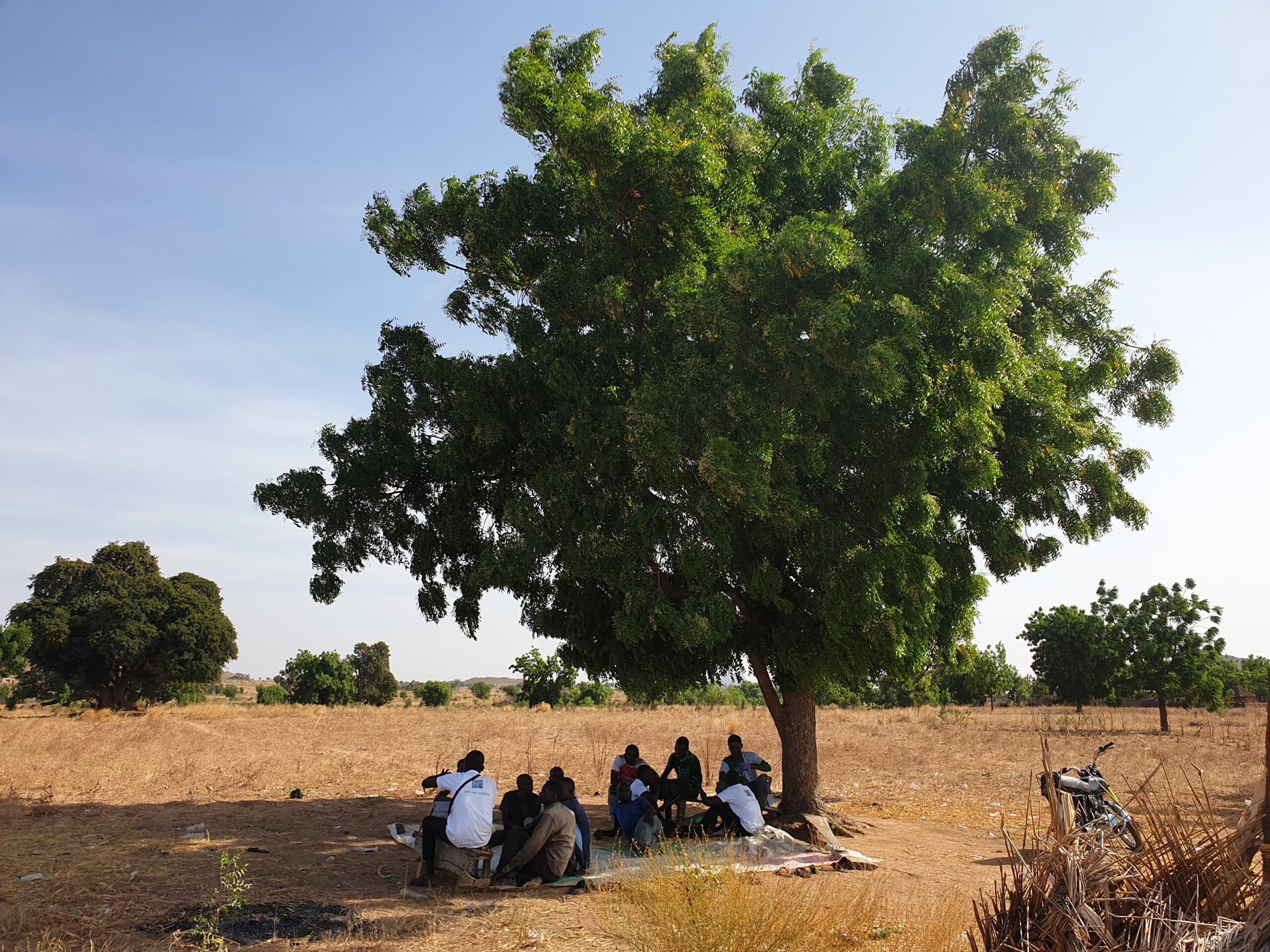
This report documents a one-week field pilot conducted by Sabi Farm in Kaltungo Local Government Area (LGA), Gombe State, Northern Nigeria. The pilot aimed to observe farmer realities, validate adoption barriers, identify input quality risks and assess the practicality of structured data capture in rural farming communities.
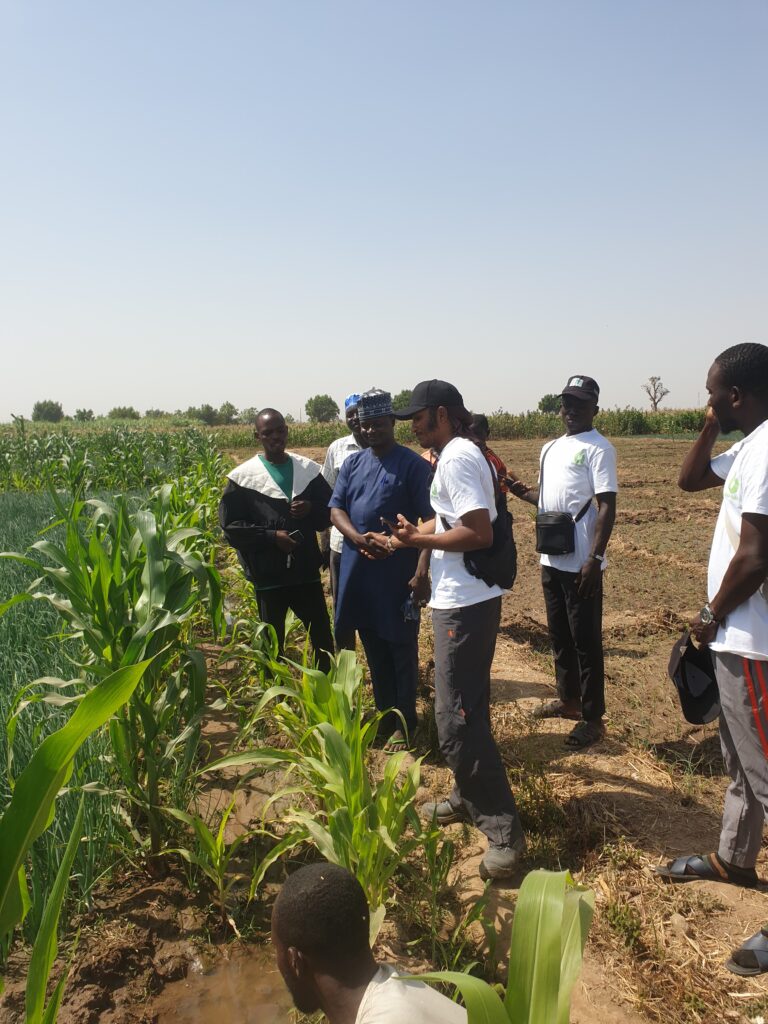
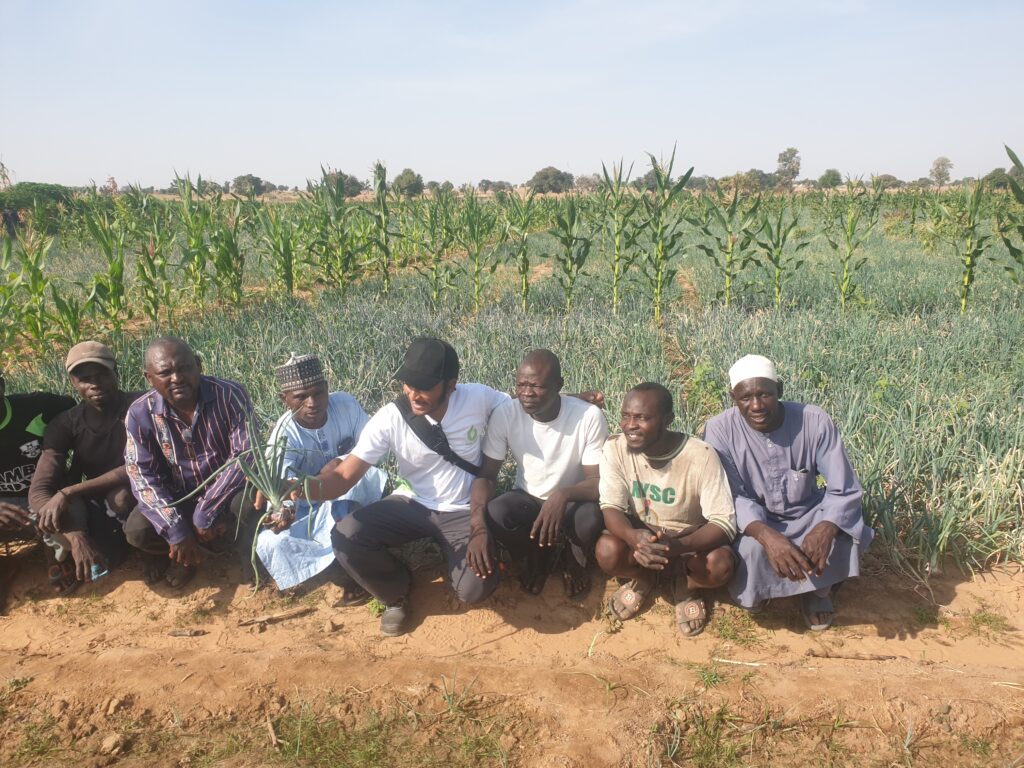
Field activities covered multiple communities including Dogon Ruwa, Awak, Tungo, Popandi and surrounding areas, engaging an estimated 230 – 300 farmers through market visits, community interactions and in-person interviews.
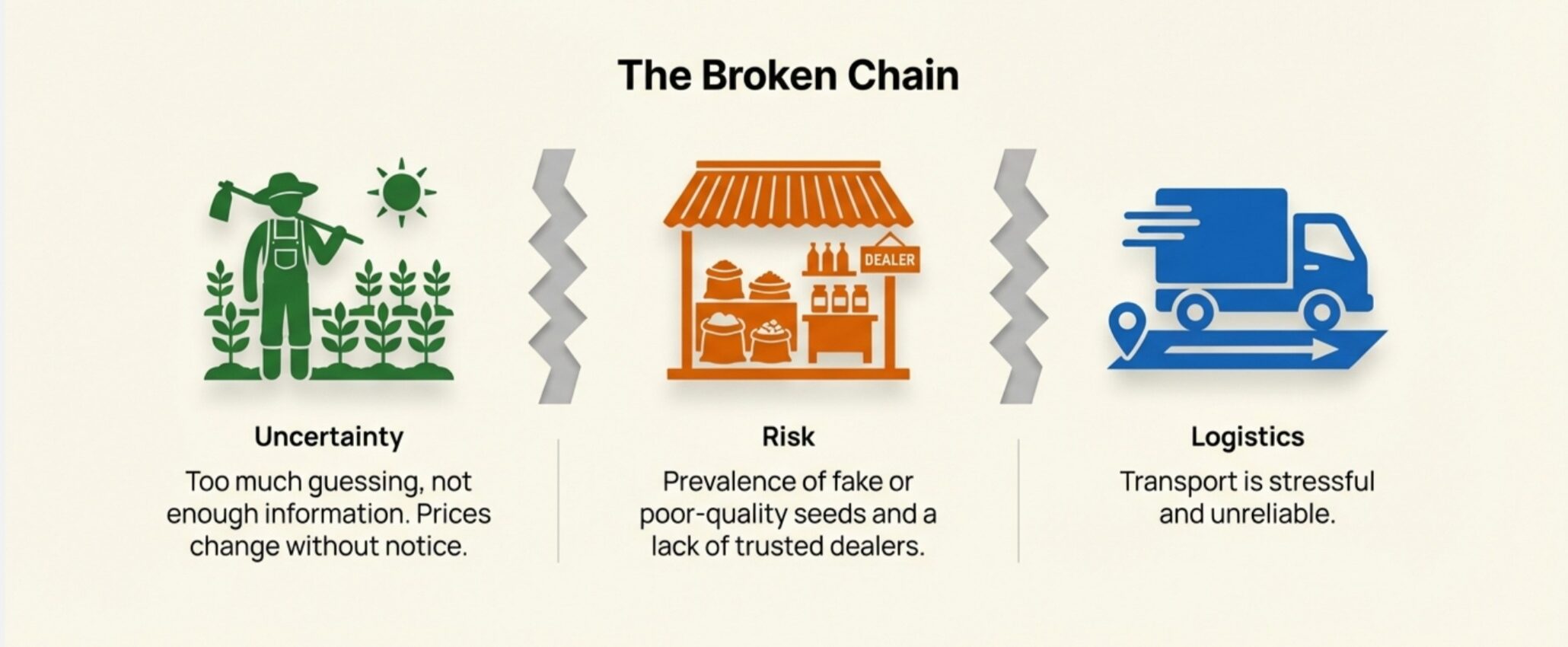
The most critical finding was a systemic seed market failure involving Chinese onion seed sold at a premium price but producing smaller bulbs. Farmers were unable to distinguish the seed once packaging was removed, leading to economic losses. Despite lack of awareness or intent, some farmers are now reportedly being fined or arrested for possession. This issue reflects market opacity and regulatory gaps rather than farmer misconduct.
Other key findings include:
- Low baseline awareness of structured agritech platforms
- Strong preference for physical, in-person engagement
- Heavy reliance on local language (Hausa) for trust and comprehension
- Network instability and device limitations affecting digital workflows
- A tendency to perceive new agricultural initiatives as charitable assistance
These findings have direct implications for scale, product design, farmer protection mechanisms and policy engagement. They indicate that value creation in this context depends less on awareness campaigns and more on verification, trust infrastructure and on-ground presence.
2. Background & Objectives
Why the Pilot Was Conducted
Sabi Farm initiated this pilot to move beyond desk research and test assumptions in a real farming environment. The objective was to understand:
- How farmers source and evaluate inputs
- How trust is formed or withheld
- Whether structured data capture is feasible under field conditions
- What risks farmers face that are not visible at market or policy level
What Sabi Farm Aimed to Validate
- Farmer willingness to engage with a structured platform
- The practicality of digital forms in low-infrastructure areas
- Early indicators of systemic risks affecting farmer livelihoods
- Gaps between policy, markets, and farmer experience
Why Kaltungo LGA
Kaltungo LGA was selected due to:
- Active smallholder farming communities
- Mixed market and subsistence farming practices
- Accessibility for a short pilot
- Relevance to onion and staple crop production
3. Methodology
Field Duration
One continuous week of field engagement
Team Composition
- Core Sabi Farm leadership
- Field associates operating in pairs or small groups
- Local engagement support where available
Daily Reporting Structure
- Morning check-ins (location, coverage plan)
- End-of-day reports including:
- Locations visited
- Number of farmers engaged
- Key observations
- Challenges encountered
- Data Collection Tools
- In-person interviews
- Structured Google Forms
- Verbal explanations in Hausa
- WhatsApp group coordination and reporting
Limitations
- Unstable mobile network coverage
- Time constraints in market settings
- Literacy variability among farmers
- Device performance issues
- Some form sections (e.g., livestock) not relevant to all farmers
4. Field Coverage & Engagement
Locations Visited
- Dogon Ruwa
- Awak
- Tungo
- Popandi
- Surrounding settlements within Kaltungo and nearby LGAs
Estimated Farmer Engagement
- Daily engagement ranged from 10 to 40 farmers per field agent
- Cumulative engagement estimated between 230 and 300 farmers
- Exact counts are approximate due to overlapping interactions and time constraints
Market vs Community Interactions
- Market settings presented challenges in capturing attention
- Community settings allowed for deeper conversations
- Repeated visits improved receptiveness over time
- Language Dynamics
- Hausa was essential for comprehension and trust
- English-only explanations reduced engagement quality
- Farmers responded more openly when addressed in local language
5. Key Findings & Observations
Seed Market Failure (Critical Insight)
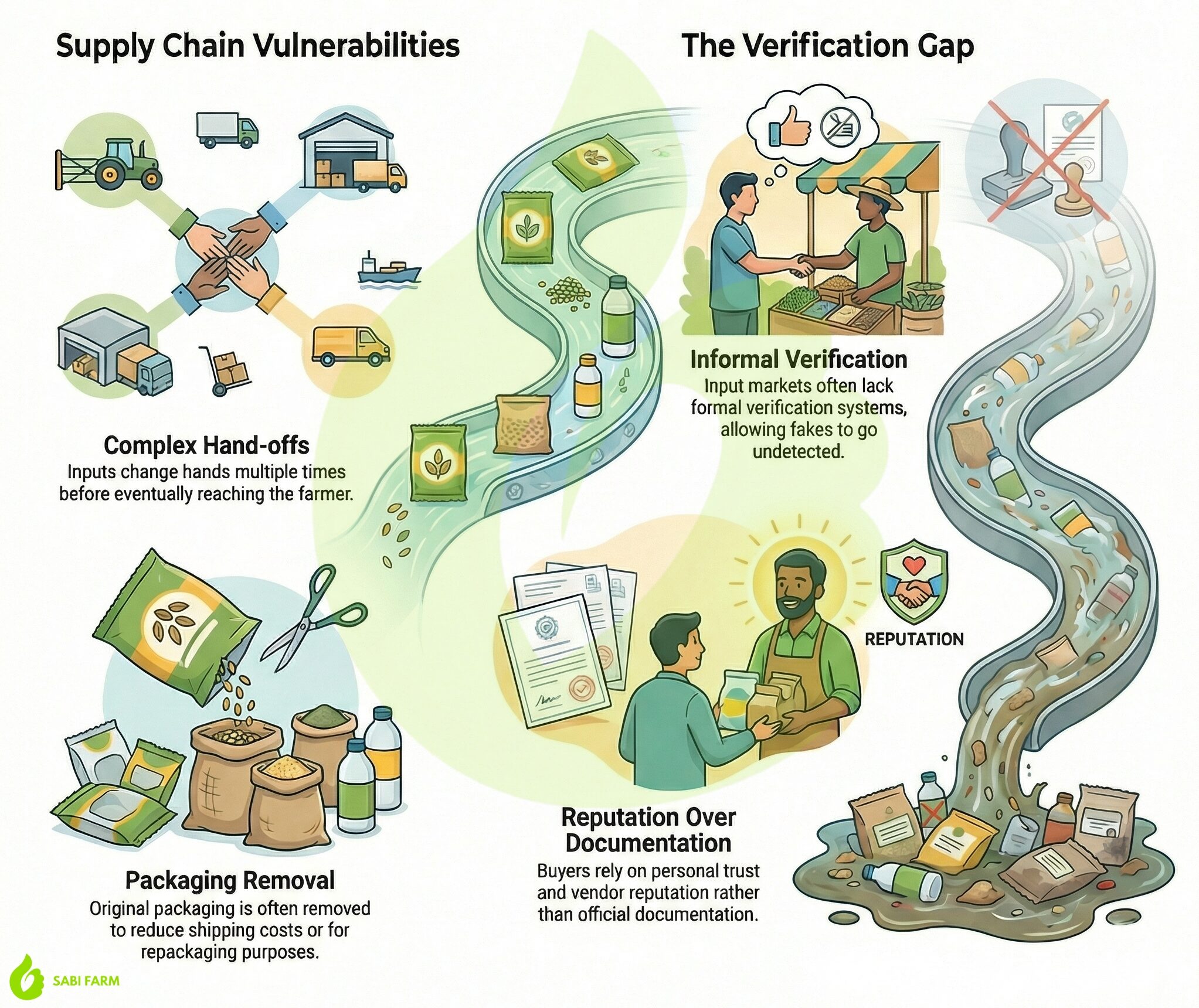
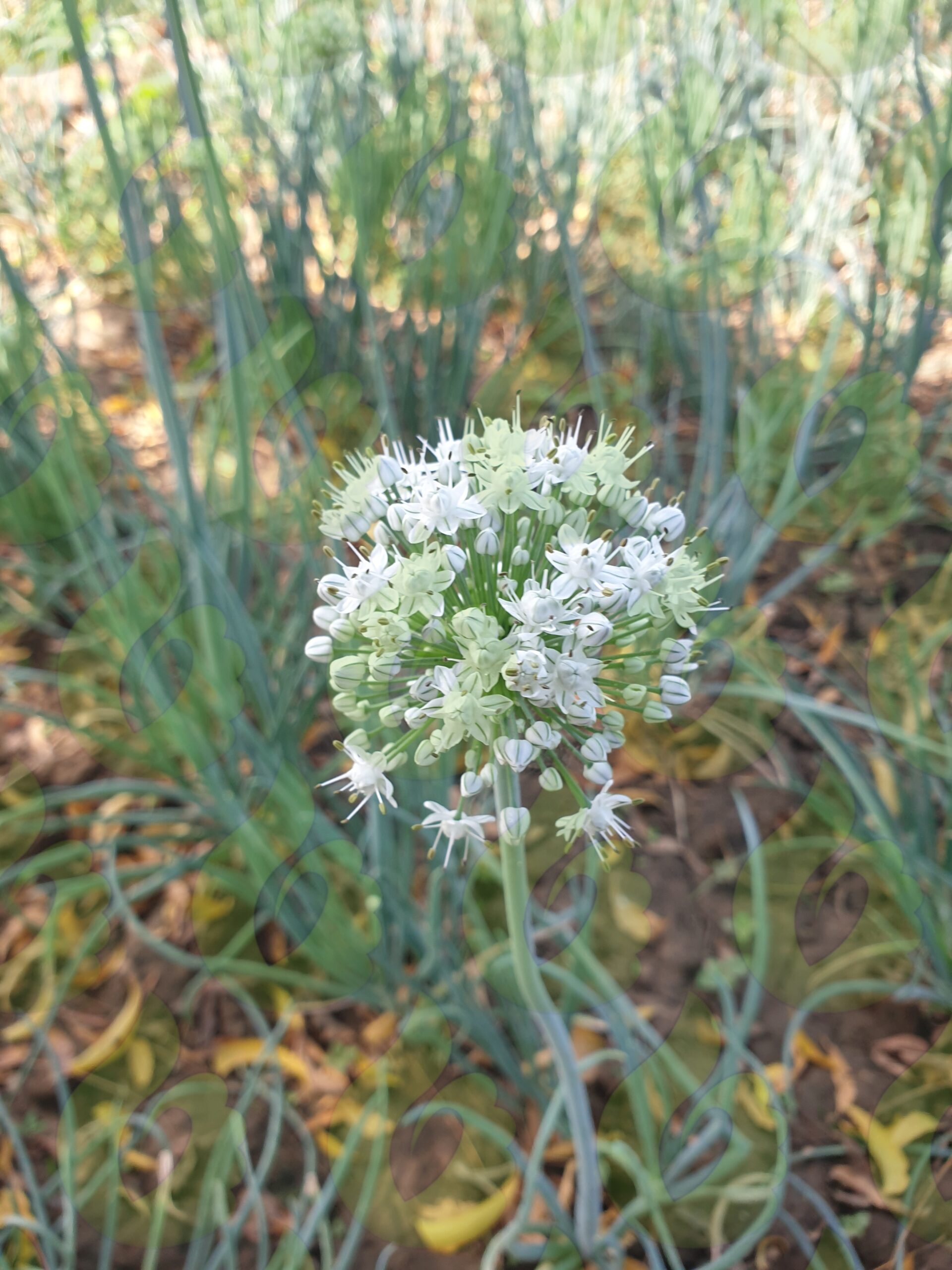
- Chinese onion seed entered local markets at a higher price point
- Resulting onion bulbs were smaller, reducing yield value
- Once packaging was removed, farmers could not distinguish the seed
- Farmers incurred direct financial losses
- Some farmers are reportedly arrested or fined for possession, despite lack of awareness
Implications:
- Farmers lack access to verifiable seed information
- Enforcement occurs without corresponding farmer education
- Trust in markets and authorities is weakened
- Risk is shifted entirely to farmers
This represents a systemic market failure, not intentional misuse by farmers.
Farmer Awareness & Trust
- Many farmers initially perceived Sabi Farm as a charitable or aid organization
- Strong expectation of immediate assistance
- Limited understanding of platform-based or long-term value propositions
- Trust increased with repeated physical presence
Technology & Infrastructure
- Frequent network disruptions affected form submissions
- Some devices were slow or unreliable
- Mandatory form sections did not always reflect farmer realities
- Digital tools worked best when paired with patient, in-person guidance
Behavioral & Cultural Insights
- Local language significantly improved engagement
- Many farmers prefer saving seed from previous harvests rather than purchasing
- Market environments limit attention span
- Physical proof and relationships outweigh abstract assurances
6. Operational Challenges
- Network instability across locations
- Limited time per farmer in busy markets
- Some farmers lacked phone numbers
- Data capture slowed by irrelevant form sections
- Misalignment between digital assumptions and on-ground realities
7. Strategic Implications for Sabi Farm
Why Verification, Traceability and Seed Education Matter
- Farmers currently absorb the cost of opaque input markets
- Information asymmetry exposes farmers to financial and legal risk
- Risks of Unregulated Input Markets
- Poor quality inputs sold at premium prices
- No accountability once packaging is removed
- Enforcement without education or traceability
Opportunity for Sabi Farm
Sabi Farm can function as:
- A trust intermediary between farmers and markets
- A verification layer for inputs and practices
- A farmer protection system that records reality, not assumptions
- Implications for Product Design
- Verification must precede monetization
- Offline-first and language-aware workflows are essential
- Flexibility is required to match diverse farmer profiles
8. Mitigation Plan
Short-Term (Next 90 Days)
- Document and formalize the seed quality issue
- Adjust data forms to allow skipping irrelevant sections
- Introduce basic seed identification education
- Strengthen local language materials
Medium-Term
- Pilot seed verification or reporting mechanisms
- Build farmer records focused on protection, not compliance
- Refine engagement models based on physical-first trust building
Policy & Partnerships
- Engage local authorities on farmer awareness gaps
- Partner with credible seed suppliers
- Advocate for traceability measures that do not criminalize ignorance
9. Conclusion
This field pilot confirms that the primary challenges facing smallholder farmers in Kaltungo LGA are not productivity alone, but information asymmetry, market opacity and trust deficits.
The pilot revealed realities that desk research could not:
- Farmers are exposed to legal and financial risk without protection
- Digital solutions must adapt to culture, language, and infrastructure
- Trust is built physically before it is sustained digitally
- Sponsorship at this stage has high leverage because it supports system-building rather than surface-level interventions. The findings validate the need for Sabi Farm as an infrastructure layer that protects farmers while enabling scale.
This part about rigid digital forms really stood out. Many tools don’t understand that farmers are not one-size-fits-all. Forcing irrelevant questions wastes time and energy. Offline-first and flexible design should not be optional, it’s survival oo.
Thank you sir for coming to our side 🙏
Please don’t forget us
Wow this information is very vital and helpful.
Really enjoyed reading this.
There’s something about being on the ground that just changes how you see everything. You start to understand why farmers make the choices they do and how small things like where inputs come from can make a big difference.
Kaltungo looks like it gave a lot of clarity. Looking forward to seeing how this shapes what you guys are building.